Picture and Sound
How to Turn Off Motion Smoothing on Any TV Brand
The setting that makes films look like daytime television is named differently on every brand. Here is what to look for and where it lives.
Your television arrived configured to win an argument on a showroom floor, in a room lit like an operating theatre, against a set standing next to it. That configuration is close to the worst possible one for watching a film at night.
This section covers what each setting actually does, where every manufacturer has hidden it, and what it takes to get the audio format the box promised. The naming is the hard part. The control marked Brightness sets the black floor on almost every set sold and does not add light. Motion smoothing has a different trade name on every brand. High dynamic range settings are stored separately from standard dynamic range ones, and often separately per input, which is why a picture gets fixed once and then appears to break again a week later.
Menu paths here are checked against each manufacturer's own support documentation rather than copied from other guides, which is how errors propagate through this entire category of writing. Where a set has a genuine physical limit, such as a panel too dim to show a high dynamic range film the way it was graded, we say that instead of offering a setting that cannot fix it.
Picture and Sound
The setting that makes films look like daytime television is named differently on every brand. Here is what to look for and where it lives.
Picture and Sound
On most televisions the Brightness control sets the black floor, not light output. Here is the setting that actually does, and three more.
Picture and Sound
It is not a picture preset so much as the absence of one. It switches off your television's processing and restores the film's own geometry.
Picture and Sound
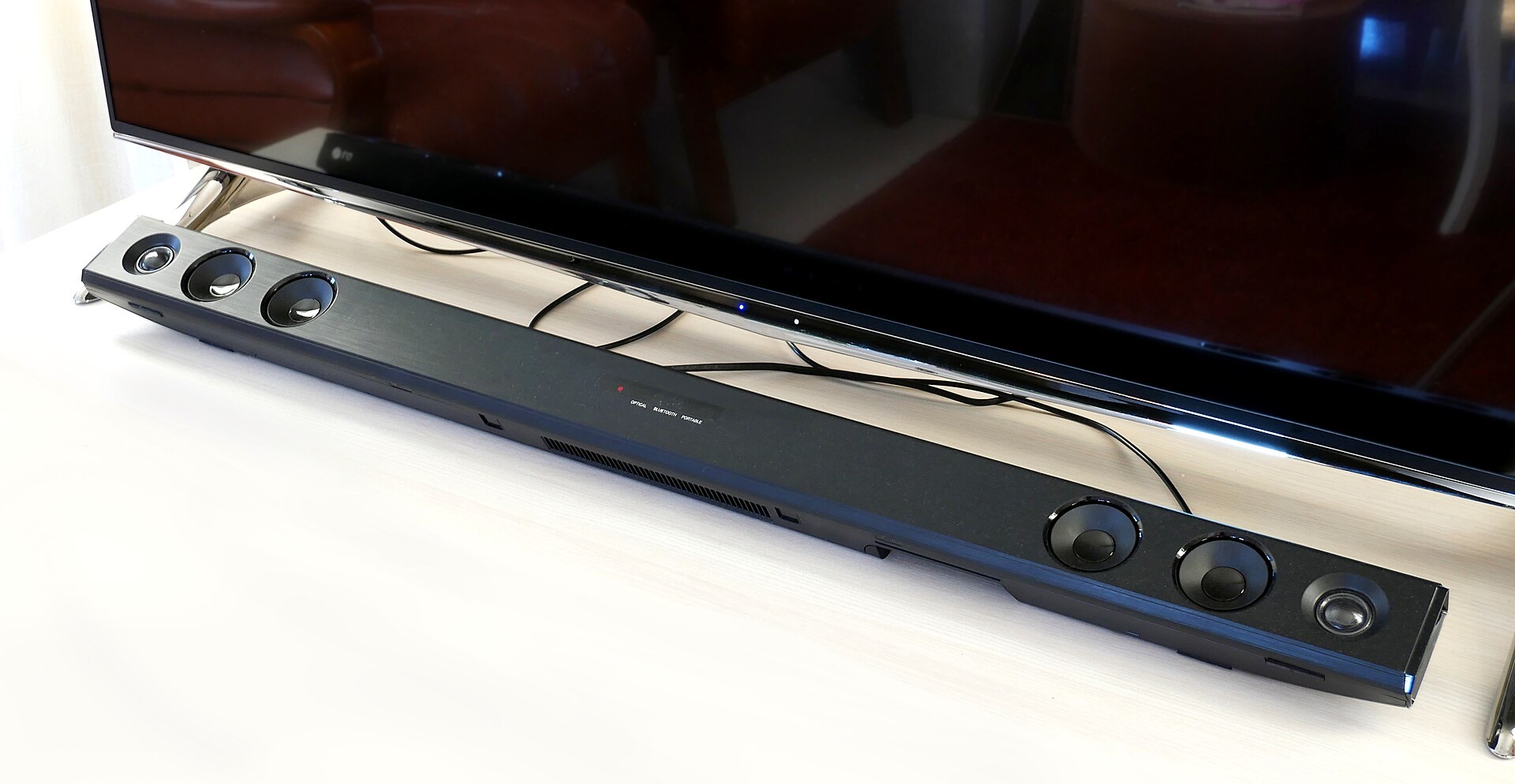
The usual advice is that you need HDMI eARC. For streaming that is wrong, and the setting actually blocking you is the TV's audio output.
Picture and Sound
Zooming a 2.39:1 film to fill a 16:9 screen pushes roughly a quarter of the width off the edges of the panel, and softens everything that is left.